From Dust to Trust: Learning from California’s Regenerative Mavericks
A new publication by Marianne Landzettel offers a compass for farmers ready to rethink, rebuild, and regenerate.
When one thing just leads to another...
When I left the BBC World Service over a decade ago to become a freelance ag writer, my first in-depth articles were about water issues - water pollution through agriculture in Iowa and drought in California. Regenerative agriculture can do a lot to mitigate both toxic runoff and drought - I learnt researching my book, Regenerative Agriculture: Farming with Benefits.
I realised how essential animals, in particular cattle, are for the environment, to provide fertilizer, and, through grazing, contribute to soil health, water retention and carbon sequestration.
After a good life these animals should have a good death, too. And to stay profitable, farmers should have the option to direct market the meat. With small abattoirs closing in record numbers, in the UK, in the EU and the US that's not an easy feat. Which led me to research and write, The Sustainable Meat Challenge: How to graze cattle, slaughter humanely and stay profitable.
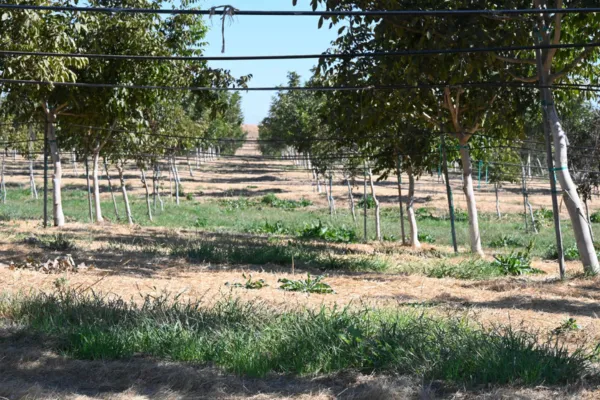
And it made me think again of California and the fact there isn't enough water anymore for super thirsty crops like almonds... What if grasses and ranching could be brought back to the Central Valley? We, my husband Martin and I, decided to travel to California once again. Here's what we found.


